)
)
)
How a Diverse Workforce Will Shape the Future of Construction
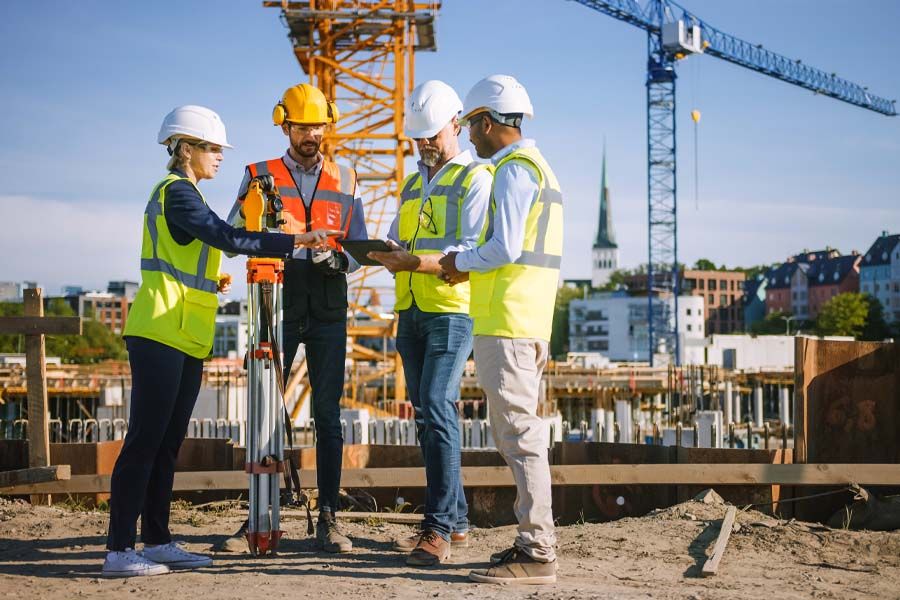
Diversity, equity, and inclusion (DEI) have become a frequent topic of conversation in the workplace recently—and for good reason.
A survey done by Michael Page revealed that only 32% of respondents considered their workplace inclusive, emphasizing the need for change. More sobering statistics regarding DEI include:
- 28% have been discriminated against at some point in their career, 11% of which said it occurred in their current role.
- 59% were discriminated against due to age.
- 44% were discriminated against due to race.
- 38% were discriminated against due to gender.
- 17% were discriminated against due to a disability.
Just as shocking, over half of respondents (64%) didn’t report their experiences of discrimination out of fear of reprisal or a lack of trust that any meaningful action would take place.
Such statistics have motivated employers to increase their efforts to hire and work with a diverse group of people. Just as importantly, organizations also seek to educate their workforce about DEI and its significance in an industry that has been historically homogenous.
So how is construction evolving to welcome people it once overlooked, and why does it matter?
What’s driving the shift?
With over 20 percent of construction workers now aged 55 or older, the industry is facing a serious labor shortage. This issue has been growing since the 2008 recession and worsened by the effects of the pandemic. As experienced workers leave the field, the pressure is on to attract new talent, including individuals who may not have traditionally been encouraged to join the sector.
Beyond addressing the skills gap, there is growing evidence that diversity, equity, and inclusion spark innovation. When teams bring a mix of experiences, cultures, and generations — especially in today’s five generation workforce — creativity and problem solving improve. Many construction firms are already seeing the benefits, reporting stronger performance and better business outcomes tied to a more inclusive culture.
Most importantly, efforts to diversify the workforce aim to open doors for groups historically underrepresented in construction, offering access to careers that were previously out of reach and creating a more equitable industry for the future.
The current state of diversity and inclusion in construction
Although there has been a rise in diversity, equity, and inclusion programs in recent years, the construction industry still has a long journey ahead before achieving true workforce representation. With an age gap that can span more than sixty years, ageism is one of the most commonly reported issues. In fact, 73 percent of workers in construction say they have experienced unfair treatment based on their age.
Many apprenticeship program sponsors are also facing challenges in attracting candidates from underrepresented backgrounds. The data highlights the gap. According to the Bureau of Labor Statistics, just 10.8 percent of construction professionals are women. When it comes to race, 30.7 percent are Hispanic or Latino, 6.7 percent are Black, and only 1.7 percent are Asian.
Looking ahead
After decades of a workforce that lacked diversity, the industry is beginning to shift. Encouragingly, many construction leaders are now making diversity, equity, and inclusion a key focus and are committed to meaningful progress.
More companies are introducing support systems such as focus groups, mentorship opportunities, and networking sessions. Unconscious bias training is also becoming more common among both new hires and existing staff. Other effective approaches include staying genuine in efforts, tackling inequality directly, and staying informed through continuous learning. These actions create a more welcoming environment for people from underrepresented groups, helping them feel valued and supported as they join the industry.
Continuing the conversation at London Build
As the construction industry works toward a more inclusive future, platforms like the Diversity and Inclusion Stage at London Build play a vital role in pushing the conversation forward. This dedicated stage provides a space for open dialogue, fresh perspectives, and real-world solutions, led by those who are actively championing change across the sector.
Featured panels and speakers include:
-
“Leading with Purpose: The Critical Role of Leadership in Driving Diversity” — featuring Lucy Kendall (Laing O’Rourke)
-
“You’re Not Alone: Supporting Anxiety & Depression in the Workplace” — Dr Daniel Guinness (Beyond Equality), Grace Jenkins (Mott MacDonald), Mark Greenwald (Lendlease)
-
“Create Space: Policies for an Inclusive and Equitable Workspace with Women in Architecture” — Grace Choi (Grace Choi Architecture), Jean Hewitt (Buro Happold), Anne Cosentino (Architects Benevolent Society)
Through leadership insights, mental health, policy best practices, and lived experiences from underrepresented communities, these panels equip attendees with tools to forge more inclusive workplaces.
To hear more and be part of the action, register for London Build here.
Become a Diversity in Construction Ambassador here.
Source: London Build, Michael Page
London Build is the UK's largest and leading construction show. Featuring 450+ Exhibitors, 750+ Speakers across 12 CPD Conference Stages, 38,000+ Registered Attendees, 20+ Networking Parties, Meet the Buyers, DJs, entertainment and so much more. Don’t miss out on free tickets. Register now