)
)
)
RIBA 2025 to London Build: How Conservation Is Leading the Architectural Conversation
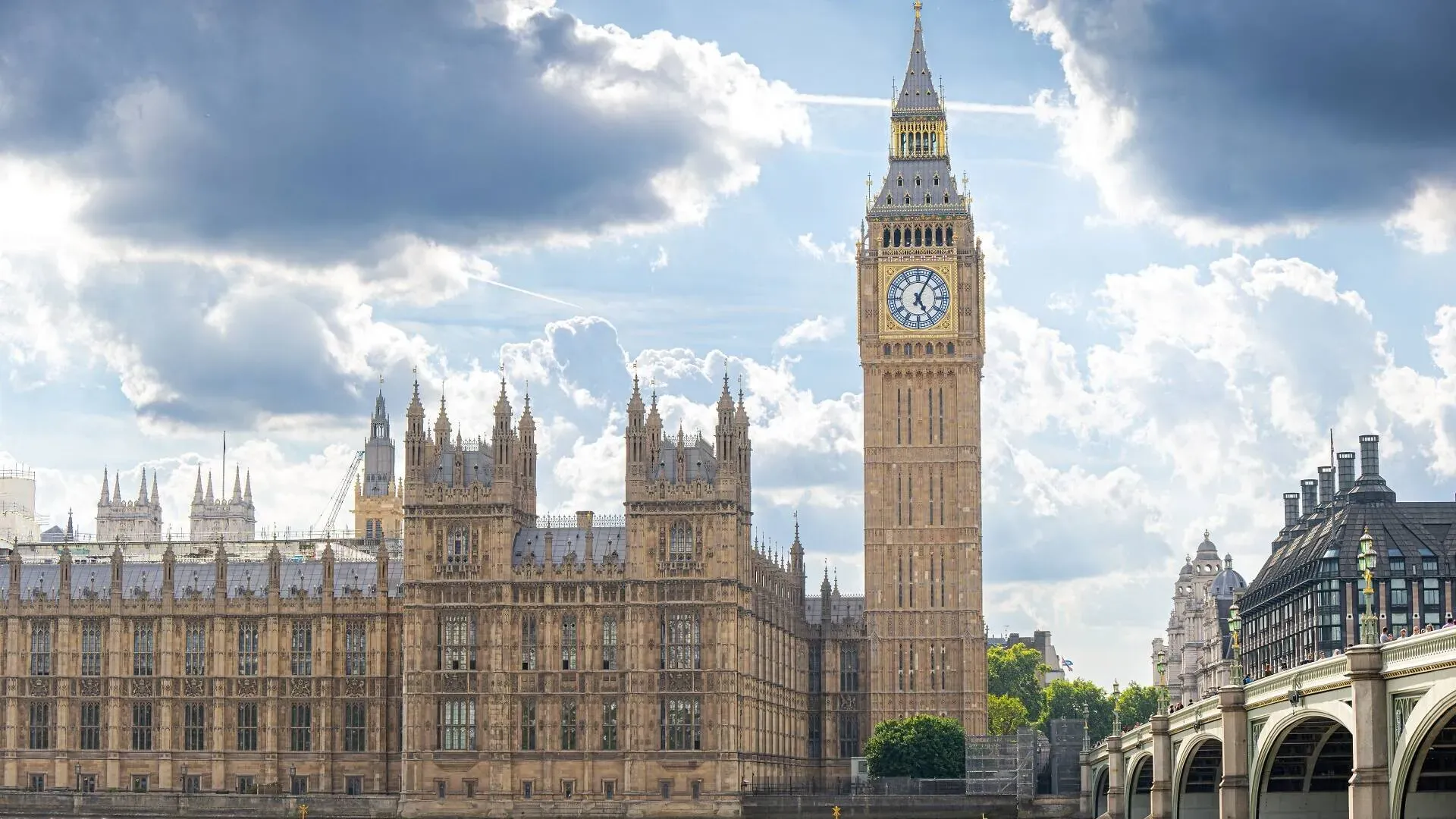
When the Royal Institute of British Architects (RIBA)' National Awards 2025 winners were announced, a clear message emerged: conservation is no longer the quiet sibling of bold contemporary design - it’s at the forefront of architectural innovation.
Established in 1966, the annual RIBA National Awards aims to celebrate the UK's best architecture projects and give insight into the country's architectural design and social trends. A Scottish prison, a fashion university building and a glass-clad research facility have been named among the winners of the RIBA National Awards for 2025.
Two of this year’s standout winners, the Elizabeth Tower restoration by Purcell and the transformation of the Young V&A by De Matos Ryan and AOC, demonstrate how architectural conservation has evolved into a radical, future-forward practice. Their success offers a compelling through-line to this year’s Architecture Stage at London Build 2025, where retrofit, reuse, and sustainability are driving many of the headline sessions.
From Repair to Reinvention
The Elizabeth Tower, long shrouded in scaffolding and speculation, re-emerged not simply as a cleaned-up national icon but as a sophisticated showcase of interdisciplinary collaboration. Purcell’s painstaking work included the reinstatement of 19th-century decorative details, the introduction of a new lift, and modern engineering solutions - all while maintaining historical integrity. This is conservation not as maintenance, but as meticulous, creative problem-solving.
Similarly, the Young V&A went far beyond a surface-level makeover. The architects stripped the building back to its bones and rebuilt it into an interactive, contemporary cultural space for children and young people, prioritising spatial fluidity, learning through play, and social equity - all within the framework of a listed heritage structure.
These projects embody what many of this year’s London Build talks aim to unpack: how to make buildings not just last longer, but live better.
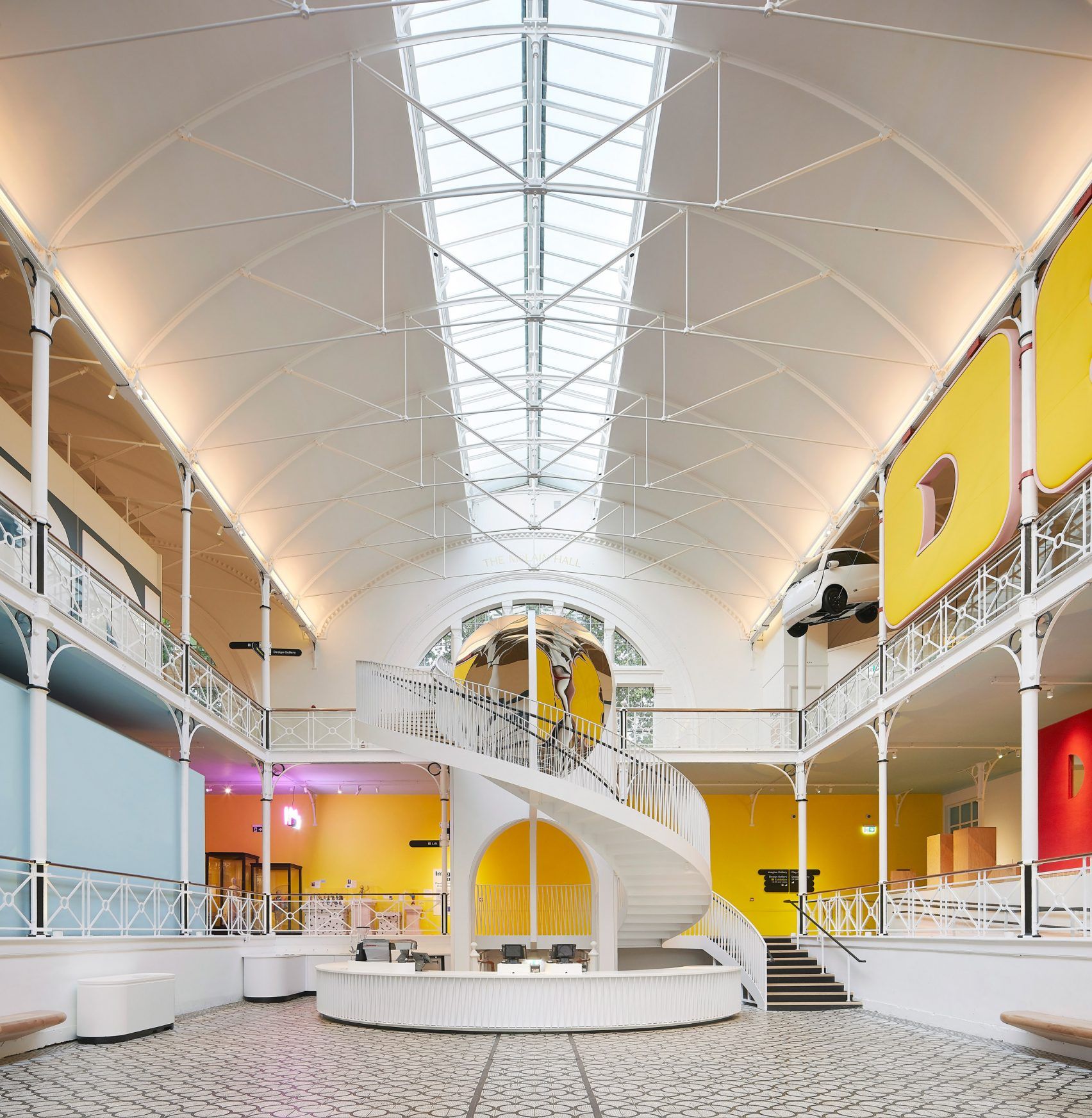
RIBA also named the Young V&A children's museum on the the best buildings in the UK. Photo by Hufton & Crow
Retrofit as a Climate Strategy
Sessions at the Architecture Stage this year reflect a growing industry recognition that the greenest building is the one that already exists. Conservation and retrofitting are now inseparable from climate goals. Talks on low-carbon refurbishments, listed building upgrades, and “deep retrofit” strategies dovetail directly with the techniques on display in these RIBA-winning projects.
The Architectural Retrofit Summit and Heritage-Led Urban Regeneration sessions promise to dig into this in depth - from innovative materials to stakeholder coordination across complex sites.
What to Watch at London Build
At London Build 2025, the Architecture Stage will spotlight how conservation, retrofit, and innovation are reshaping the future of the built environment. Drawing inspiration from this year’s RIBA award winners, the sessions explore how heritage buildings can be reimagined sustainably, integrating modern technology while respecting their history.
Featured panels and speakers include:
“Conservation as Innovation: Craft Meets Carbon” (11am, 24th September) — featuring Emma Collins (Heritage Crafts Trust), Dr. Michael Green (Sustainability Architect), and Sarah Patel (GreenBuild Solutions), exploring how heritage craftsmanship and modern sustainability standards combine to create future-ready buildings.
“The Future of Retrofitting Britain” (2pm, 25th September) — with James Taylor (UK Retrofit Hub), Laura Smith (Historic England), and Prof. David Jones (University of Cambridge), presenting case studies and policy insights on low-carbon retrofits for historic and existing buildings.
“Designing with Time: Adaptive Reuse and Architecture’s Cultural Memory” (10:30am, 26th September) — featuring Anna Reynolds (Reynolds Architecture), Mark Bennett (Urban Regeneration Expert), and Olivia Chen (Historic Environment Scotland), examining how architects balance preservation and innovation through adaptive reuse in urban regeneration.
“Heritage-Led Urban Regeneration: Building Stronger Communities” (3pm, 24th September) — with Sarah Williams (Community Architect), Tom Harrison (Regeneration Consultant), and Leila Ahmad (Social Impact Specialist), discussing community-driven development projects that blend conservation with social impact.
“Smart Retrofits: Integrating Technology in Historic Buildings” (11:30am, 25th September) — featuring Dr. James Walker (IoT Innovations), Helen Foster (Energy Retrofit Specialist), and Rajesh Patel (Smart Building Technologies), exploring how IoT and low-carbon systems are transforming the retrofit of heritage sites.
Final Thought: Past, Present, and Progress
As the RIBA winners show, conservation isn’t about clinging to the past - it’s about carrying it forward. Whether it's restoring Big Ben or reimagining a museum for a new generation, today's conservation projects are some of the most technologically complex, environmentally urgent, and socially resonant work in the industry.
London Build 2025 continues that conversation. And for architects, planners, and developers alike, it’s a reminder that building the future means working intelligently and respectfully with what we’ve already got.
Register here to see all the action at London Build
Sources: London Build, Dezeen, RIBA, Time Out
London Build is the UK's largest and leading construction show. Featuring 450+ Exhibitors, 750+ Speakers across 12 CPD Conference Stages, 38,000+ Registered Attendees, 20+ Networking Parties, Meet the Buyers, DJs, entertainment and so much more. Don’t miss out on free tickets. Register now