)
)
)
Think Beyond the Heater: Schwank’s Vision for Heating Big Spaces
Who are you, and what does your company do?
I’m Paul Wilkins, Managing Director of Schwank UK.
Schwank specialises in heating and climate solutions for industrial and commercial buildings, with particular expertise in large and challenging spaces such as manufacturing facilities, warehouses, logistics buildings, workshops and transport environments.
Our role goes beyond supplying equipment. We work with consultants, contractors and building owners from the early design stages to help identify the most appropriate heating strategy for the building, taking into account energy use, comfort, operational requirements, capital cost and longer-term decarbonisation objectives.
Radiant heating has been at the heart of Schwank for many decades, but today our portfolio includes gas and electric infrared heating, hydrogen-capable technology, warm air heating, heat pumps, air handling equipment, HVLS fans and controls.
What are you showcasing at elementalLONDON & London Build?
Our focus will be on the future of heating large industrial and commercial spaces.
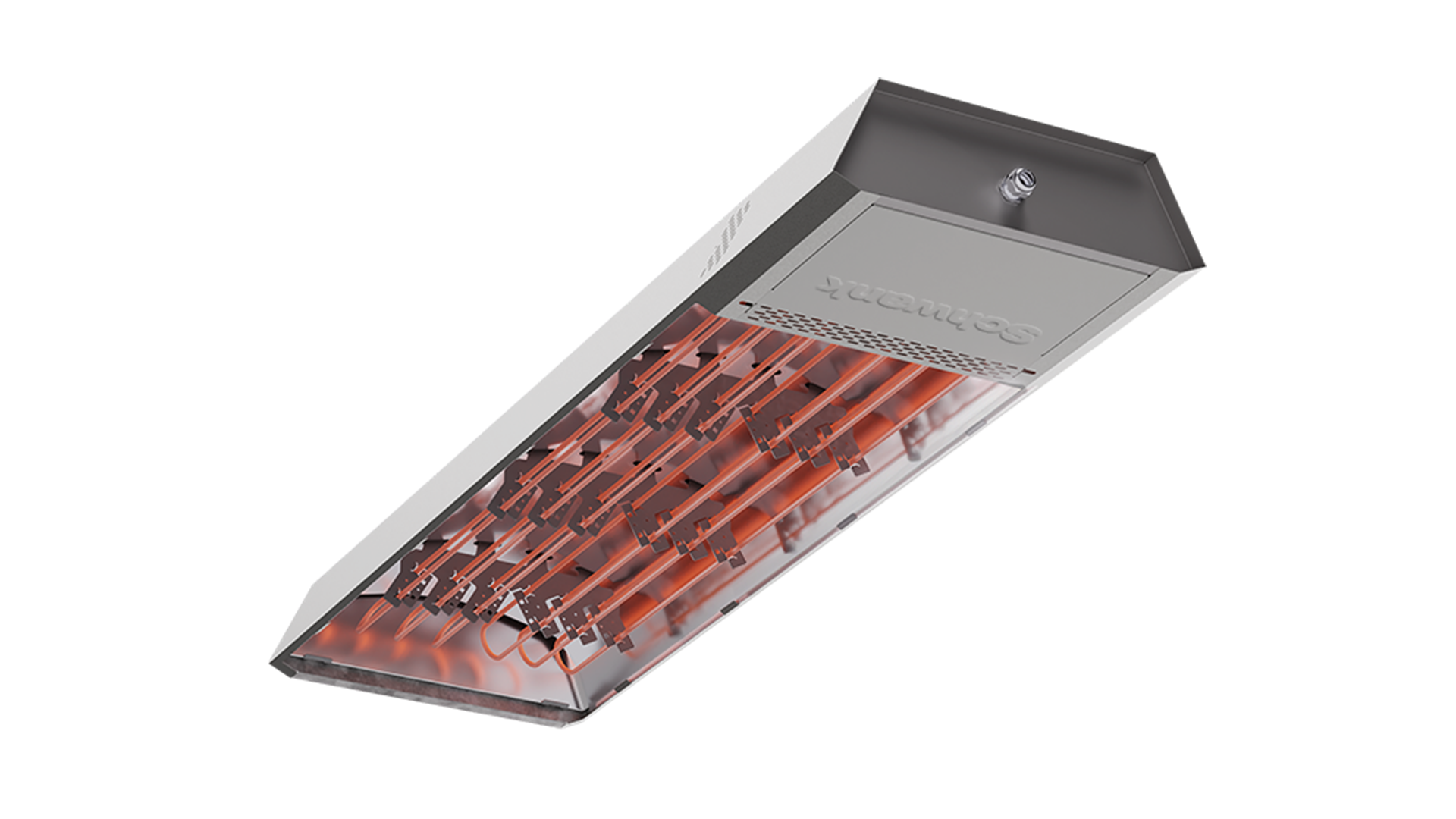
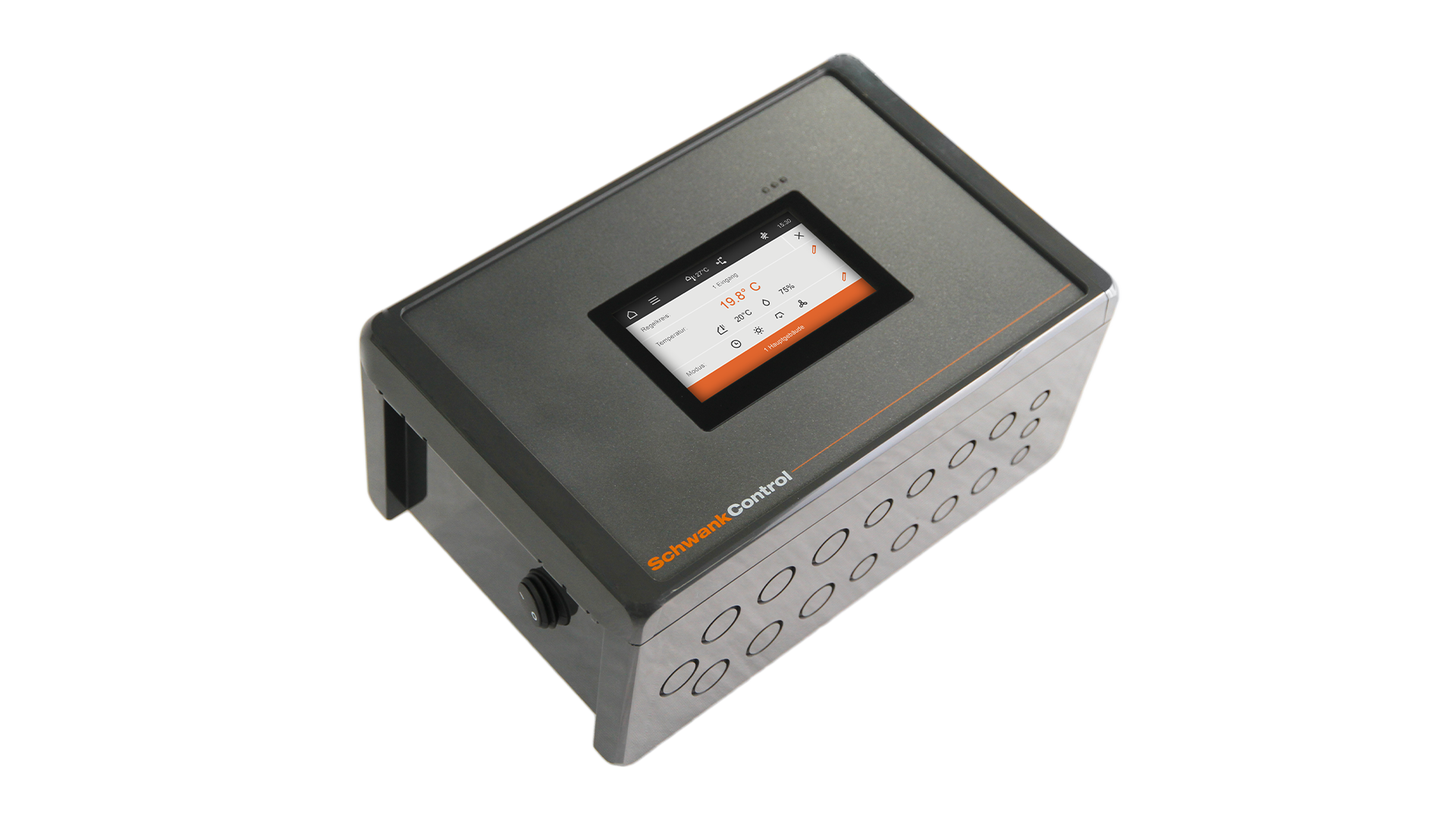
We’ll be showcasing our electric infrared heating technologies, alongside the control strategies that are increasingly important in delivering efficient systems. This includes the ability to effectively modulate and zone heating systems, as well as integrate them with Building Management Systems.
We’ll also be talking about hybrid system design. Rather than assuming one technology has to provide the entire heating solution, there can be real advantages in combining radiant heating with other technologies, such as air source heat pumps. This allows designers to consider the practical realities of heating large, open spaces alongside electrical infrastructure, capital investment and longer-term energy objectives.
We’ll also be introducing geniumSchwank, our multi-gas radiant heating technology capable of operating on natural gas or LPG and being converted to operate on 100% hydrogen. It is an example of the wider technology development taking place within Schwank and the different routes that may be available as industrial heating evolves.
More broadly, we want to use the event to have conversations about system design rather than individual products – where radiant heating fits, where electrification makes sense, how controls can optimise system performance, and how different technologies can form part of a practical longer-term energy strategy.
What industry problem does it solve?
One of the biggest challenges with large industrial buildings is that they are often treated in the same way as conventional commercial spaces.
They shouldn’t be.
High ceilings, large air volumes, frequently opening doors, different occupancy patterns and individual working zones all have a significant influence on how a building should be heated.
Radiant heating works differently from conventional air heating because energy is directed towards people, floors and surfaces rather than relying solely on heating the entire volume of air. That can make it particularly well suited to large-volume buildings and applications requiring zoned heating.
The important point for designers is that technology selection and system design need to reflect how the building will actually operate.
Who would benefit most from your solution?
M&E consultants, building services engineers and specifiers working on industrial, logistics, manufacturing and other large-volume buildings.
We are particularly interested in engaging with designers at the early stages of a project, when there is still an opportunity to evaluate different technologies properly rather than simply replacing an existing heating system like-for-like.
For building owners and operators, that can mean a system designed around how their facility actually operates. For consultants, it provides another option when developing practical strategies around energy efficiency, electrification and decarbonisation.
What makes it stand out?
For us, the differentiator isn't simply one particular heater.
It is the combination of specialist radiant heating knowledge, engineering support and a broad enough technology portfolio to have a sensible conversation about what is right for the project.
For example, our gas-fired tube heating technology incorporates features such as fully modulating burners, high-performance reflector design and integration with building management systems. At the same time, our electric infrared range provides another route where electrification is appropriate, while geniumSchwank provides a different pathway for projects considering the potential future role of hydrogen.
We don't believe there is one technology that is automatically the answer for every building.
Why is elementalLONDON & London Build an important event for your company?
Because many of the people making decisions about the future performance of buildings will be there.
We want to engage more closely with consultants, specifiers and building services engineers, particularly those working on industrial and large-space projects.
There is understandably a huge amount of discussion around electrification and decarbonisation at present. Events such as elementalLONDON give us an opportunity to move that conversation beyond individual technologies and discuss what works in practice – including building use, electrical infrastructure, energy costs, controls, system efficiency and whole-life considerations.
We also want to introduce more consultants to the principles of radiant heating and the technical support and CPD activity Schwank can provide.
What do you see as the most pressing challenge facing the industry today, and what needs to change to address it?
For me, one of the biggest challenges is turning decarbonisation ambition into practical building-level solutions.
There is a temptation to look for a single technology that provides the answer. In reality, industrial buildings vary enormously, and the best solution for a new logistics centre may be very different from the best route for an existing manufacturing facility with limited electrical capacity.
We need to look at the building first: its fabric, occupancy, operating hours, heat demand, electrical infrastructure and future plans. Then we can determine which technology – or combination of technologies – provides the most appropriate route.
That requires manufacturers, consultants, contractors and end users to engage earlier in the design process and take a whole-system, whole-life approach, rather than making decisions based solely on the headline efficiency or carbon credentials of an individual product.
Is there a recent project or case study you would like to highlight?
One area we are particularly proud of is our work with major industrial and logistics operators, where heating design has to respond to very large buildings, demanding operating conditions and increasingly ambitious energy strategies.
These projects demonstrate why heating large spaces needs specialist consideration. The conversation increasingly isn't simply "What heater should we install?" but "What is the most appropriate way to heat this building now, and how does that decision fit with where the client wants the building to be in 10 or 20 years?"
That is exactly the type of conversation we want to have with consultants and specifiers at elementalLONDON & London Build.
- Paul Schwank, Managing Director - Schwank
Find out more: https://schwank.co.uk/
Visit Stand D246 at London Build & elementalLONDON to meet the team.